500K+
Registered users

Combining sports and gamification to get young people moving.
Kids were quitting sports between ages 10–14 and replacing it with video games. We applied proven gaming mechanics to motivate physical activity and social connection on the football pitch. As co-founder and CPO, I led product strategy, design, and delivery for three years. Later, as CEO, I scaled the company, launched innovative AR/AI features, and facilitated its sale in 2022.
By the numbers
See it in action
Research
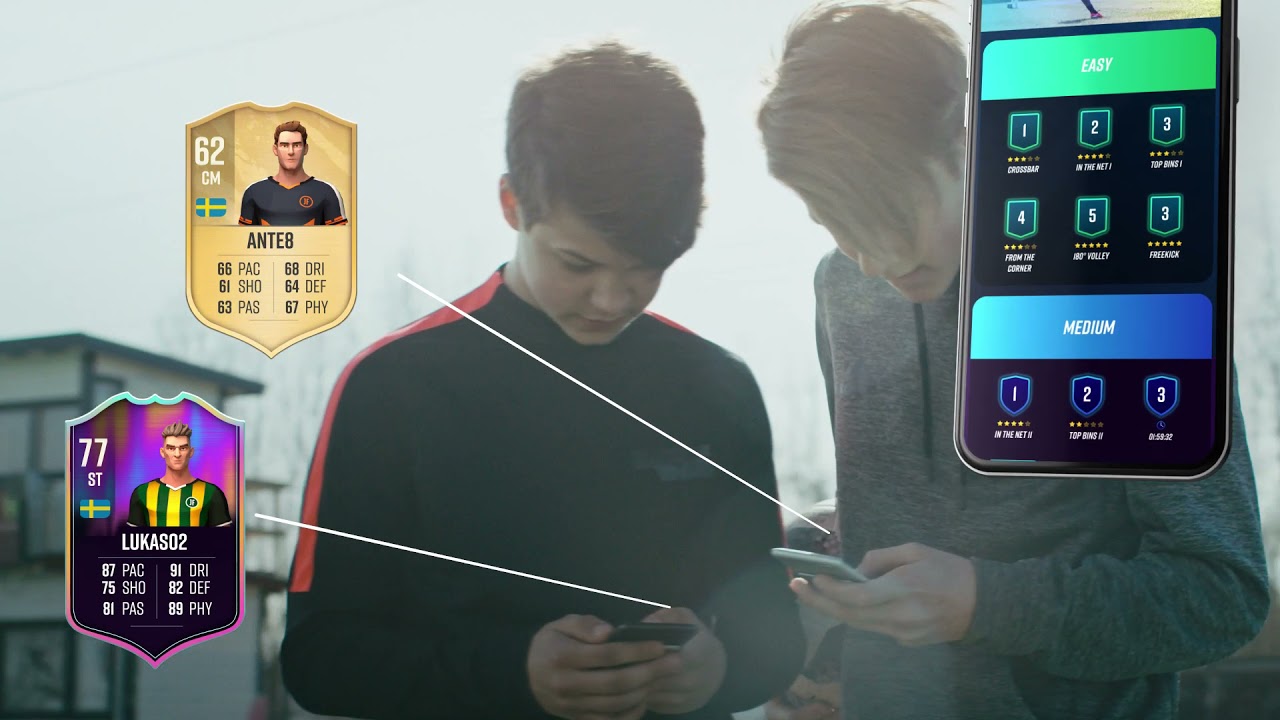
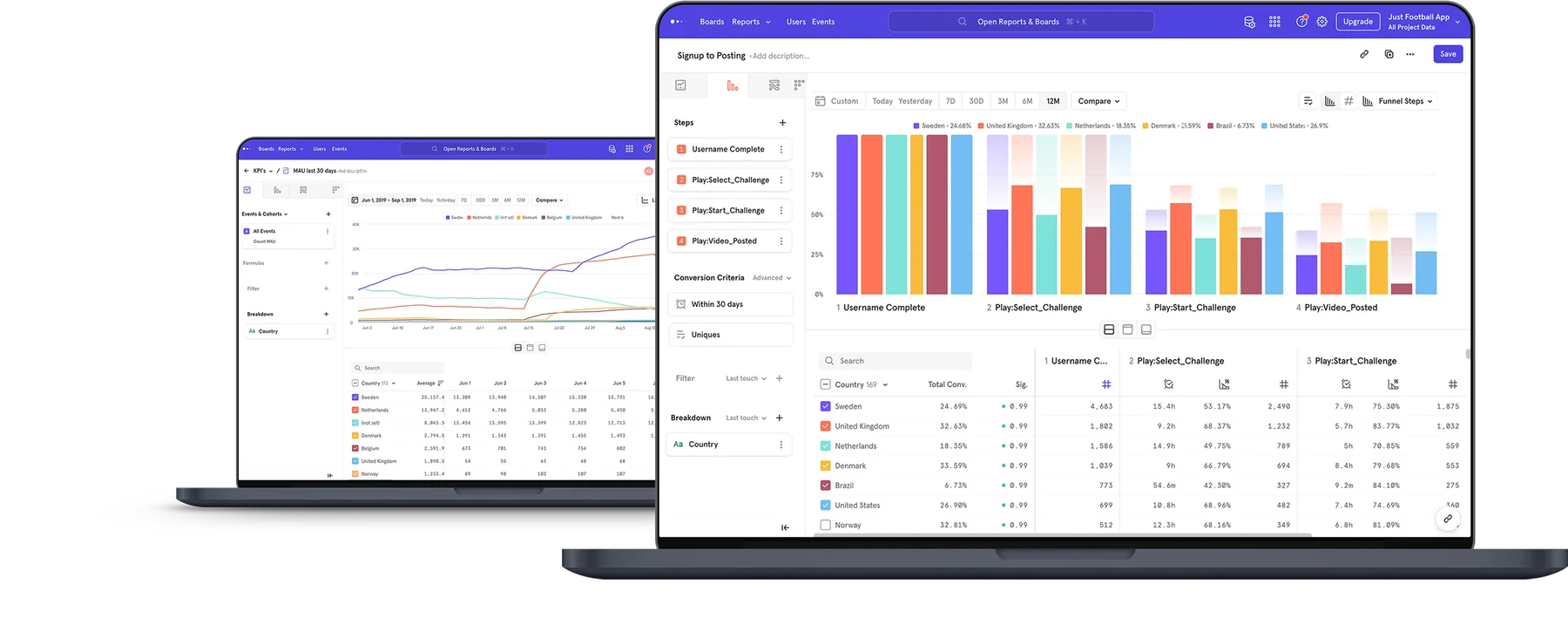
From day one, a continuous, data-driven approach informed every product, growth, and business decision. We combined insights from 100+ interviews, 10,000 survey responses, playtesting, product analytics, and market research to guide our strategy and execution.
How might we digitally gamify football in a social way?
Building it
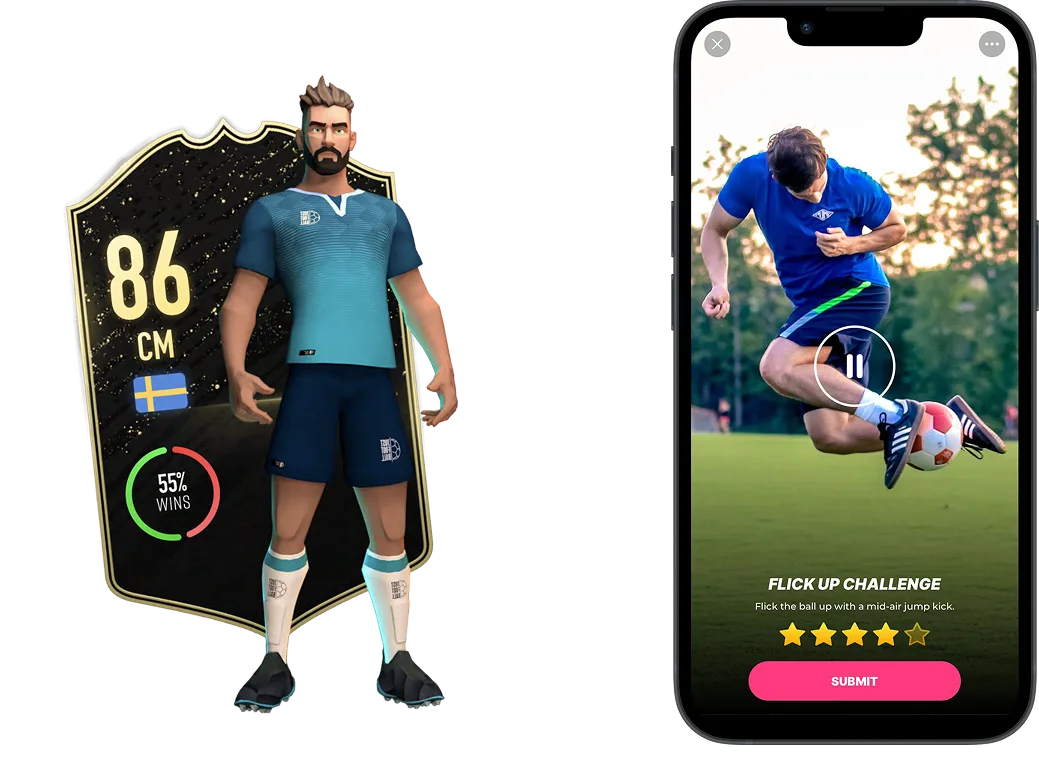
We prototyped fast and cheap — from paper cards and a simulated Excel build to clickable prototypes — validating ideas early and dropping the weak ones before writing code. The core took shape quickly: auto-created teams, live match tracking, player rankings and a comparable profile for every player.
Testing
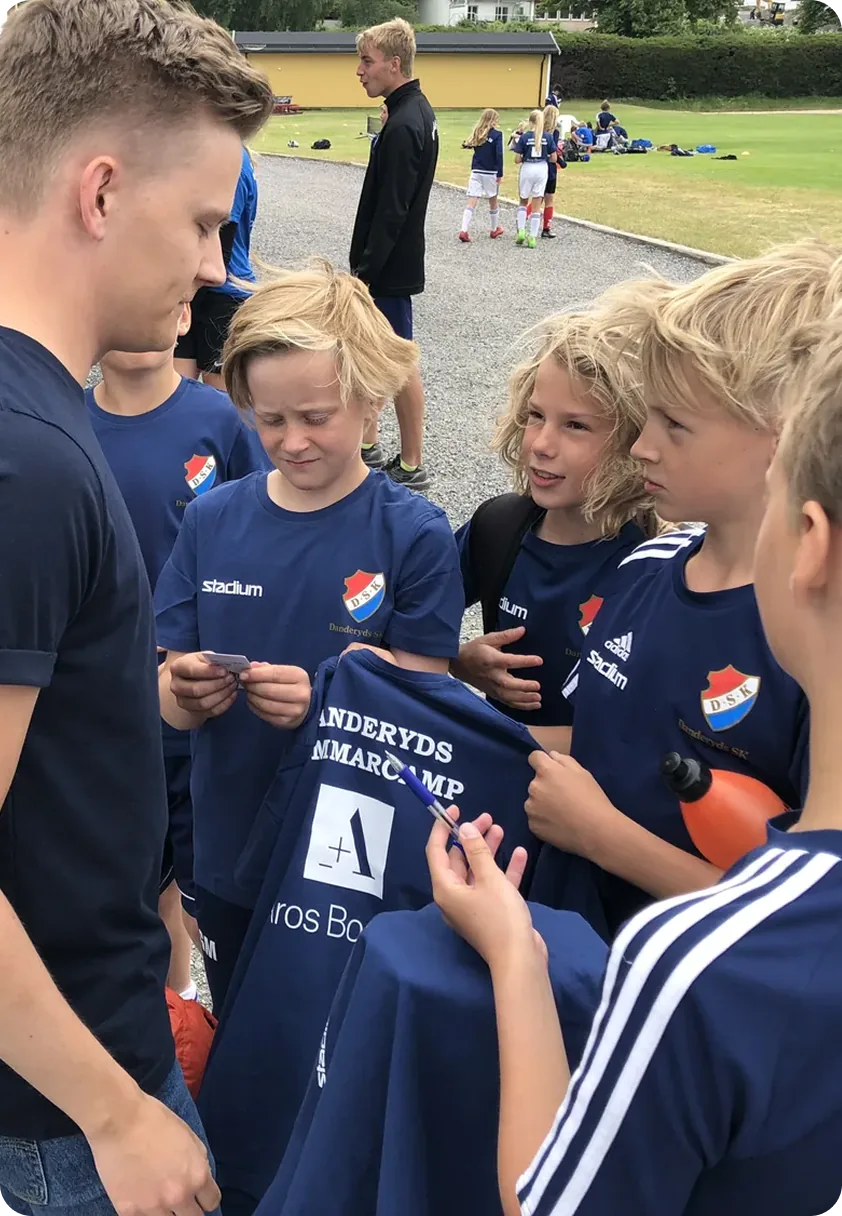
We tested continuously — running our own matches, observing organised groups, and stealth-testing to capture real, unprompted behaviour. The findings reshaped the product: fewer players needed to start a match, faster onboarding, offline mode and better battery life, with stats, competition and social at the centre.
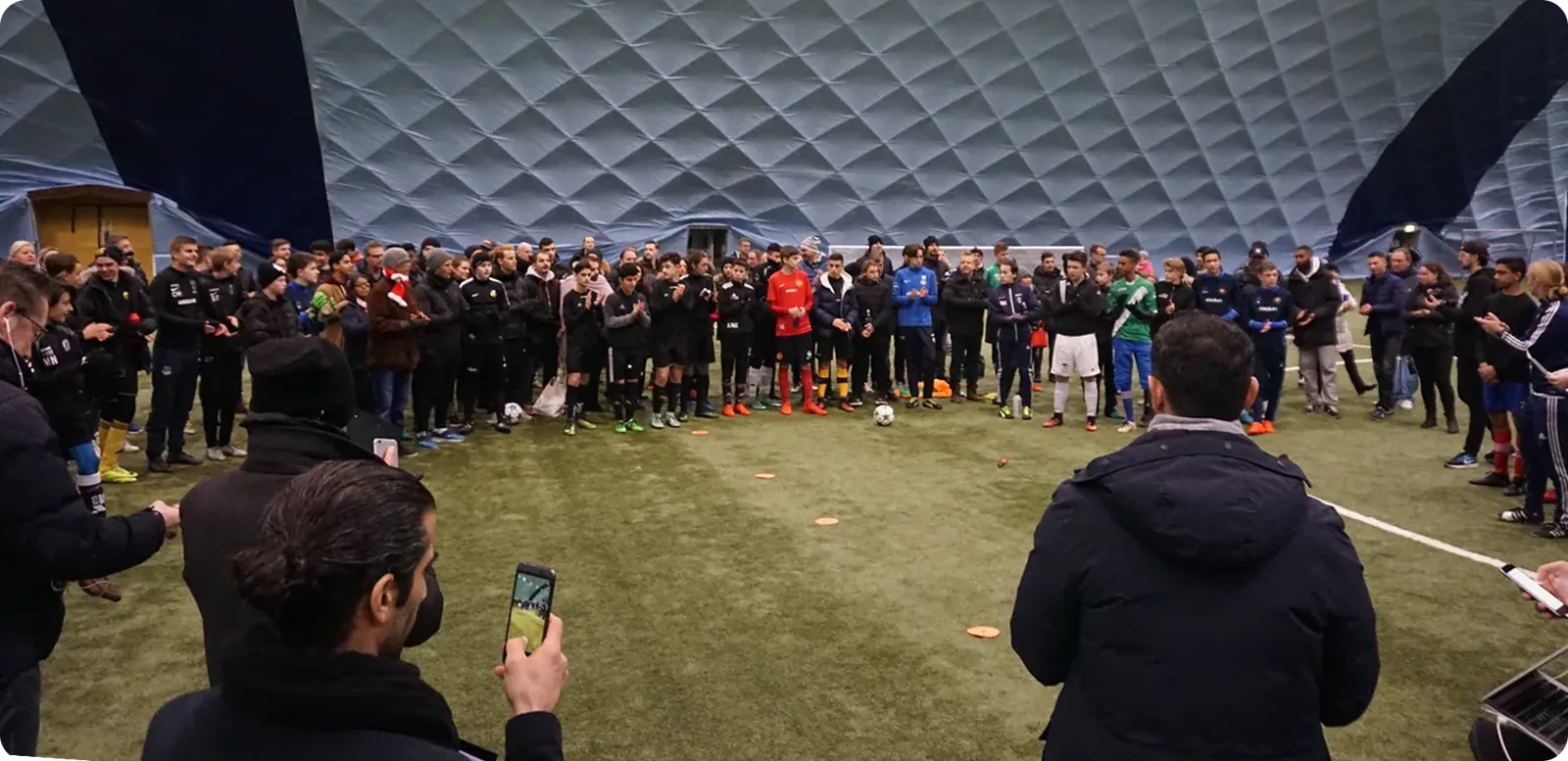
"It's like FIFA in real life."
Isak, 14 — test participant
Growth & retention
Reaching 43% three-month retention required continuous testing, iteration and new insights. Among the most effective mechanics: notifications timed for after school, streak bonuses, a "more players, bigger bonus" incentive that doubled as a growth driver, local leaderboards, and a weekly Team of the Week for top players — with sponsored prizes from our partners.
Business strategy
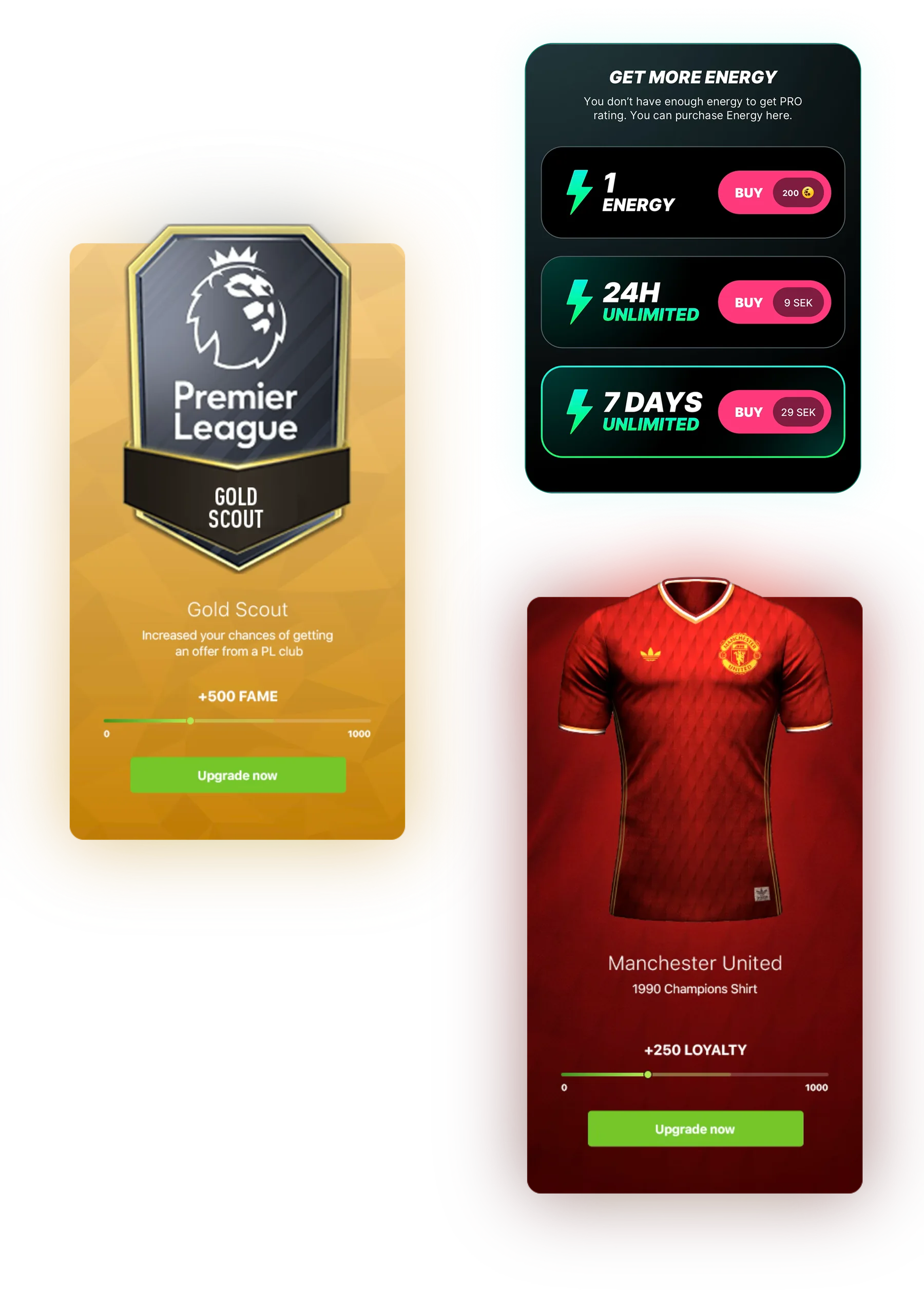
Monetization was our biggest challenge. We built for kids, but purchasing decisions sat with parents. To bridge the gap, we introduced a multi-layered in-app economy, subscriptions, and B2B partnerships with brands and clubs. Our positive impact attracted local partners, enabling international expansion with a CAC below €0,40 while validating new revenue streams. Although B2B drove strong growth, limited direct revenue and a restrictive cap table narrowed our path to scale-up funding.
Polished product
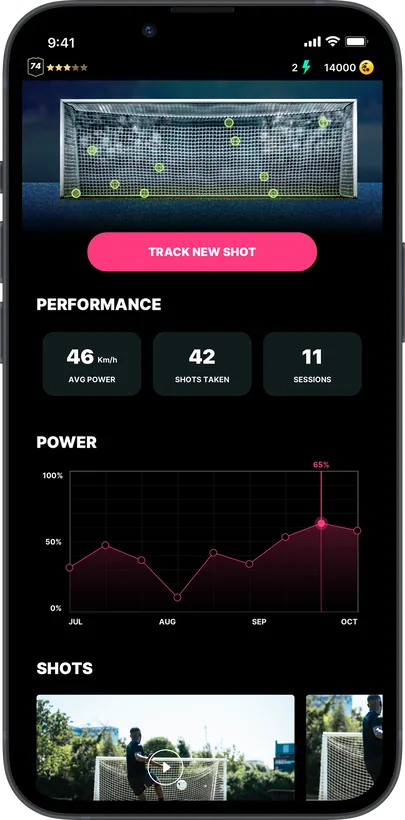
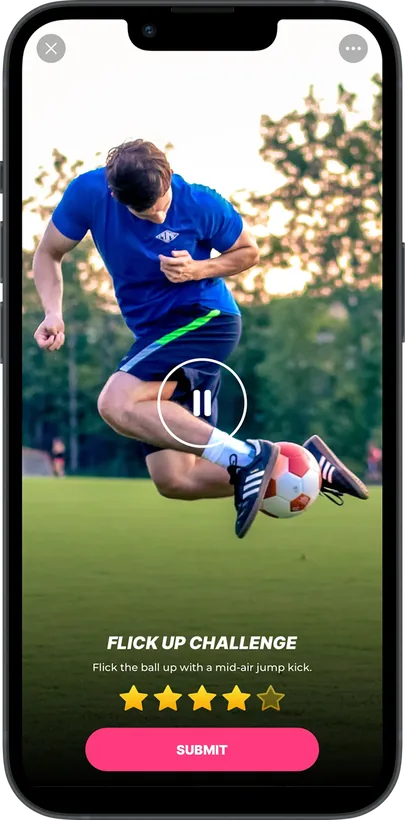
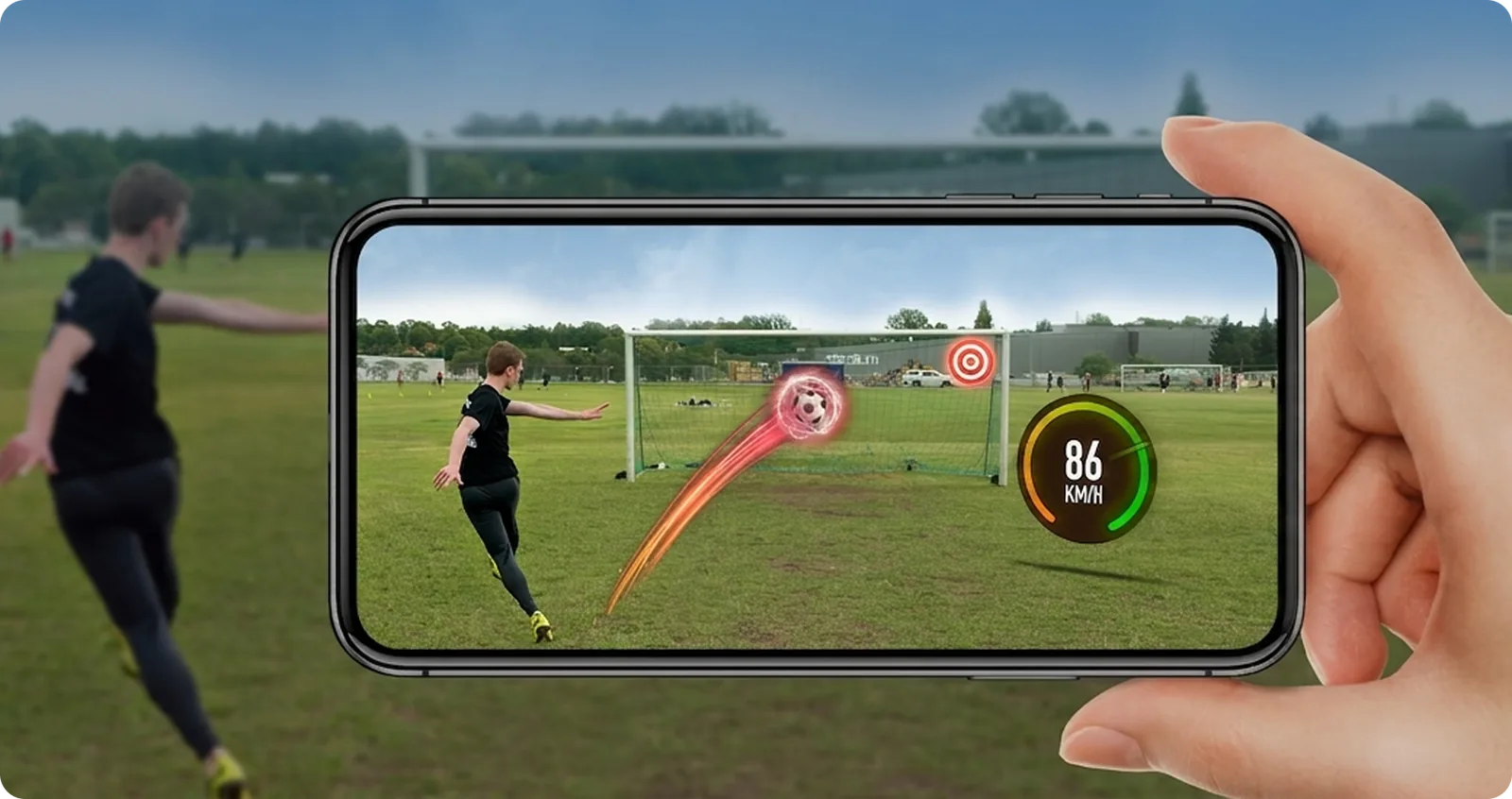
The shipped product felt less like a tracking tool and more like a game — fast, offline-capable, and designed to keep young players coming back. Challenges, performance stats, video and an in-app rewards economy lived in one cohesive experience.
We also broke new ground with unique AR and AI features — new ways to capture, challenge and score real play.
The exit
As CEO, I turned that constraint into an outcome. I identified a company in the same space with strong strategic synergies — they brought connections to professional players and brands; we brought the product, the team and the user base — and led the acquisition end-to-end over six months, down to the legal detail. The company was sold in 2022.